

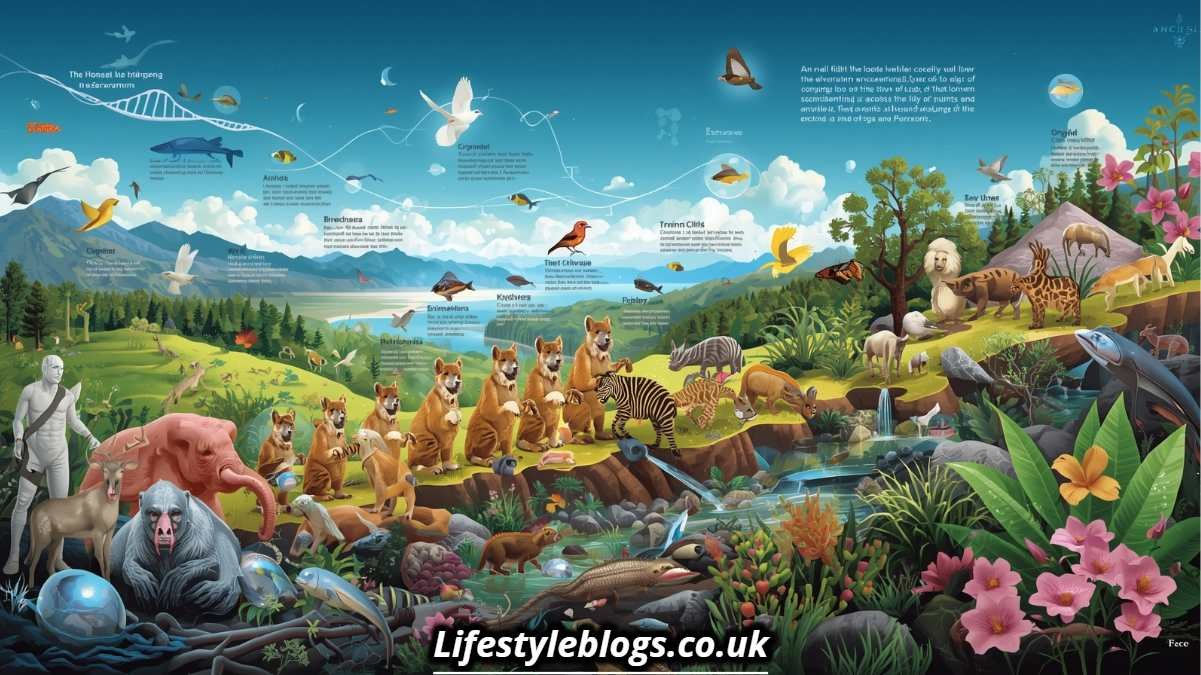
Introduction to Speciering
Speciering is the complex biological process through which species evolve from existing organisms under various evolutionary, genetic, and environmental adaptation pressures. It contributes significantly to global biodiversity, shaping the richness of life through natural evolution, accumulating genetic variation, and eventually creating reproductive isolation.
This process occurs across all forms of life—from microorganisms to mammals—with each species adapting to survive and thrive. Understanding the meaning and concept of speciering explains how new life forms emerge, diverge, and establish unique identities.
What Is Speciation?
Speciation refers to the formation of distinct species through the divergence of populations that once shared a common ancestor. Over time, these groups become genetically unique, shaped by different ecosystems, environmental pressures, and adaptation patterns.
Core Aspects of Speciering
| Aspect | Description |
| Definition | Formation of new species from existing populations |
| Primary Cause | Genetic variation and environmental adaptation |
| Types | Allopatric, Sympatric, Parapatric, Peripatric |
| Timeframe | Gradual or rapid depending on internal and external factors |
| Outcome | Emergence of genetically unique, reproductively isolated species |
Speciering plays a key role in maintaining environmental balance by continuously introducing organisms better suited to their habitats.
Types of Speciation
Allopatric Speciation
Occurs when populations become geographically isolated by mountains, rivers, climate changes, or islands. Isolation leads to:
- Genetic divergence
- Reduced ability to interbreed
- Physical separation
- Independent evolution through unique environmental pressures
Sympatric Speciation
Occurs without physical separation, often due to:
- Ecological differences
- Genetic mutations
- Unique mating preferences
- Environmental conditions
Common in insects, plants, and fish.
Parapatric Speciation
Happens in neighboring populations along borders, where environmental gradients and mating preferences drive gradual divergence.
Peripatric Speciation
A small isolated group experiences rapid genetic drift due to a limited gene pool, accelerating divergence and leading to rapid formation of new species.
Key Drivers of Speciering
Genetic Factors
- Genetic variation
- Genetic mutations
- Allele frequency shifts
- Reduced interbreeding
- Genetic drift
- Genetic isolation
- Heritable genes
- Gene-level mutations: point mutations, insertions, deletions, duplications
- Studied through: molecular biology, DNA sequencing, epigenetics, gene expression, molecular evolution
Environmental Influence
Environmental pressures include:
- Temperature
- Food availability
- Habitat changes
- Selective pressures
- Extreme environments (deserts, deep oceans)
These factors drive:
- Adaptation
- Survival strategy development
- Selection of beneficial traits
Isolation Mechanisms
Prezygotic Isolation
- Geographical isolation
- Behavioral differences
- Temporal isolation
- Mechanical incompatibility
Postzygotic Isolation
- Sterile hybrids (e.g., mules)
- Barriers to fertile offspring
Isolation Mechanisms
| Type | Description |
| Geographical | Physical barriers like mountains or rivers |
| Behavioral | Mating rituals prevent interbreeding |
| Temporal | Different breeding seasons |
| Mechanical | Physical incompatibility prevents mating |
Real-World Examples
Classic Evolutionary Examples
- Darwin’s finches (Galápagos Islands, beak shapes)
- African cichlids (ecological variety)
- Peppered moth (Industrial Revolution, pollution, camouflage)
- Polar bears & brown bears (adaptation to cold, white fur, fat storage)
Plant Examples
- Sunflowers (hybrid speciation)
- Plant polyploidy (extra chromosomes)
Agriculture & Biotechnology
- Selective breeding
- Genetic engineering
- CRISPR
- Development of resilient crops
- Pollution resistance (e.g., heavy metals)
Animal & Insect Examples
- Apple maggot fly (hawthorn to apple trees)
- Hybrid zones in neighboring populations
Laboratory Examples
- Fruit flies studied in controlled environments to observe rapid speciering under different conditions
The Fossil Record & Evolutionary Time
Gradualism vs. Punctuated Equilibrium
- Slow evolutionary change vs. rapid speciation after environmental events
- Transitional fossils (e.g., Archaeopteryx)
Earth’s History
- Species origination
- Species extinction
- Long-term evolutionary trends
Modern Science and Speciering
Advanced Tools
- Genomics
- DNA analysis
- Computational models
- Simulation
- Machine learning algorithms
- Data analytics
Conservation Biology
- Protecting endangered species
- Breeding programs
- Conservation genetics
- Studying:
- Tropical rainforests (high rates of rapid speciering)
- Plant and animal diversity
- Marine biology and coral ecosystems (Great Barrier Reef)
- Tropical rainforests (high rates of rapid speciering)
Field Research
- New frog species in Madagascar
- Bird populations in the Amazon rainforest
- Variations in song, plumage, vocalization
- Importance of local conservation strategies
Functional Roles of Speciering in Evolution
Roles
| Function | Explanation |
| Genetic Diversity | Introduces new traits for adaptability |
| Environmental Balance | Maintains species in ecological niches |
| Natural Selection | Passes beneficial traits through generations |
| Survival Strategy | Creates specialized species for survival in changing environments |
Taxonomy & Classification
Foundations
- Species classification
- Scientific method
- Biological classification
- Identifying flora, fauna, traits
Species Concepts
- Biological Species Concept
- Morphological Species Concept
- Phylogenetic Species Concept
- Ecological Species Concept
Challenges
- Hidden diversity
- Cryptic species
- Taxonomic inflation
- Impacts: conservation, management strategies, preservation plans
Ecology & Ecosystems
Ecosystem Dynamics
- Ecosystem health
- Habitat loss
- Ecological relationships
- Critical habitats
- Biodiversity hotspots
- Nutrient cycling, pollination, ecosystem services
Human Impact
- Human activity
- Introduced species
- Urban niches
- Invasive species
- Environmental concerns
- Climate modeling and global warming
Chemical Speciation
- Appears in chemistry, environmental science, toxicology
- Chemical forms: ionic states, oxidized states, complexed states, methylmercury, elemental mercury
- Studied via: chromatography, mass spectrometry, ICP-MS
- Applications: waste treatment, drug development
Metaphorical & Marketing Uses
- Speciering as metaphor in marketing, communication, strategic segmentation
- Brands classify content, products, services, target audiences
- Examples: Spotify (personalized playlists), Airbnb (micro-segments by behavior/psychographics)
Rapid Speciering & Extreme Environments
- Tropical rainforests: high environmental variation → faster speciering
- Deserts and deep oceans: extreme selective pressures → unique adaptations
- Climate change and habitat destruction influence rate/direction
Speciering in Humans & Technology
- Cultural evolution: languages, lifestyles, technological adaptations
- Technological evolution: products/industries diverge and specialize like biological speciering
Future Research & Technology Applications
Key Areas
| Area | Focus |
| Molecular Evolution | Gene-level mutations driving speciering |
| Climate Modeling | Predict effects of global warming on speciation |
| Artificial Speciering | Creating new species in controlled environments |
| Conservation Genetics | Preserve natural evolutionary processes |
| AI & Data Analytics | Model evolutionary pathways and predict outcomes |
- Ethical considerations are critical when guiding or accelerating evolution
Philosophical & Scientific Implications
- Reveals the intricate web of life
- Shows how diversity strengthens ecosystems
- Highlights adaptation and survival strategies
- Raises ethical questions about human influence and conservation
Conclusion
Speciering—biological, chemical, ecological, and metaphorical—is a multidimensional concept shaping life on Earth. It explains the emergence of biodiversity, adaptation of species, and the balance of ecosystems. From ancient evolution to modern genomics and AI modeling, speciering continues to illuminate the complexity of life and informs strategies for conservation, sustainability, and future generations.
