

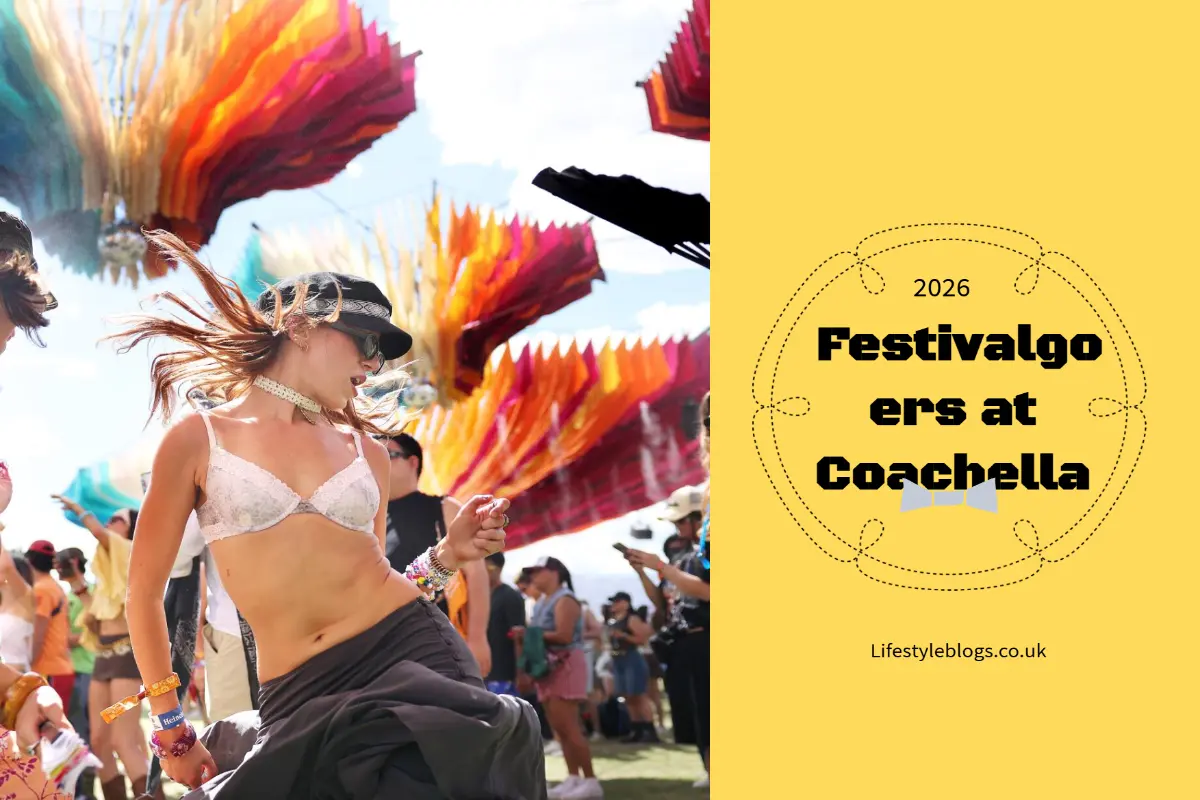
From Woodstock’s maxi dresses to the Empire Polo Club’s fringe jackets, the free-spirited silhouettes of the 1970s remain the defining reference point for festival fashion in 2026.
Festival fashion draws its deepest nostalgia from the 1970s — a decade shaped by Woodstock, the Newport Jazz Festival, and a broader cultural shift toward self-expression. Flowing maxi dresses, bell-bottom denim, halter tops, fringe, and crochet defined that era’s creative individualism, as first reported by WWD. At modern festivals including Coachella and Lollapalooza, those references continue to resurface — reinterpreted but rooted in the same boho sensibility.
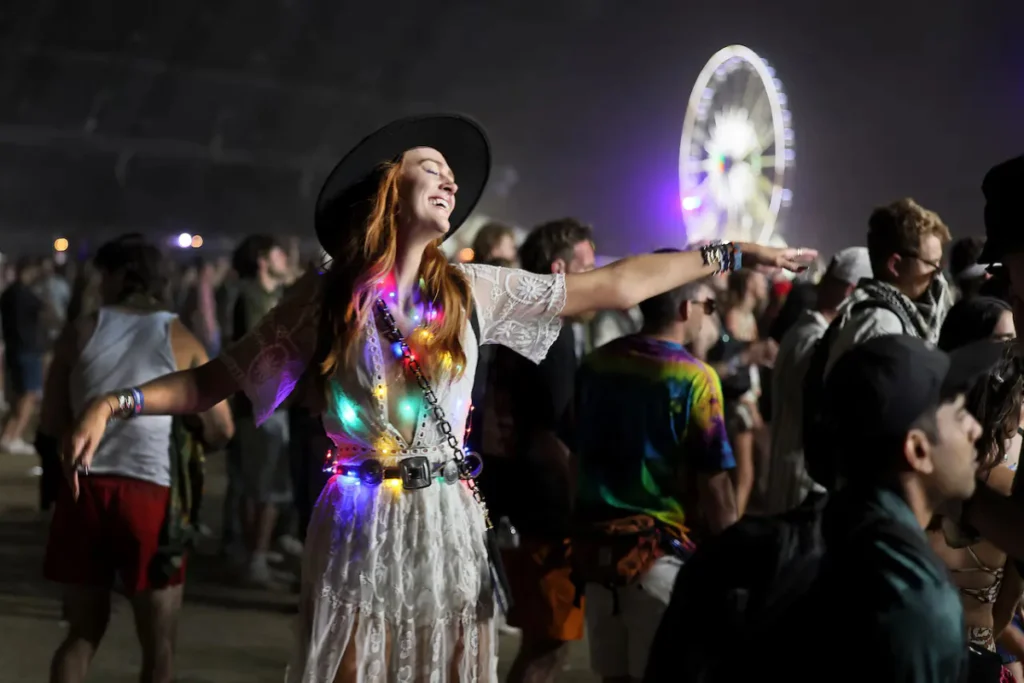
Coachella 2026 runs across two weekends at the Empire Polo Club in Indio, California: 10–12 April and 17–19 April. Headliners include Justin Bieber, Sabrina Carpenter, and Zara Larsson — each bringing a distinct aesthetic already shaping festivalgoer style. “Music continues to be one of the biggest cultural drivers of fashion, particularly during festival season,” said Alexa Andersen, Puma North America SVP of merchandising. Andersen confirmed Puma is tracking strong nostalgia in the market, with younger consumers reinventing Y2K and early-2010s references through a more refined lens — including through the brand’s archive-inspired Speedcat Wedge footwear.
The nostalgia cycle is now being tracked commercially. Micro-shorts have seen a 135 per cent increase in market adoption among brands and retailers compared to last year, according to Trendalytics fashion and beauty director Kendall Becker. Platform boots have recorded a 46 per cent increase in influencer conversations online.
Low-rise denim shorts are currently up 124 per cent in market adoption, with Becker forecasting a rise in studded and lace-up denim details this season. Distressed knitwear has seen a 14 per cent increase over the same period. The search data tells the same story — according to WWD’s festival fashion trend report, Google searches for “party girl” have surged to 1.5 million in the past month, up 24 per cent year over year, while “club outfit” sits at 217,000 monthly searches, up 57 per cent.
Heuritech fashion expertise lead Noémie Voyer puts a name to the shift. She identifies “Club Girl Revival” as the season’s dominant festival theme — rooted in the mid-2010s party girl aesthetic. “We are slipping, almost rebelliously, out of an era defined by restraint,” Voyer said. “Fashion is rediscovering its appetite for chaos.”
” Key items include deep plunge tops, hot pants, halter-neck dresses, vanity bags, bowling bags, and thong sandals. Running parallel is “maximalist pop femininity” — driven by Sabrina Carpenter’s ultra-feminine style and Zara Larsson’s Midnight Sun era, which is generating demand for electric pinks, bright greens, shimmering fabrics, and rhinestone-studded minis.
“The aesthetic feels like a Technicolor time capsule — butterflies, glossy vinyl textures, metallic finishes, and candy-coloured palettes dominate the look,” Voyer said.
On the accessories front, eyewear brand Quay senior design director Tim Hardie confirmed the label is building its 2026 strategy around thin narrow frames, sporty wrap shapes, and statement sunglasses for what he describes as “eclectic maximalism.” Victoria’s Secret PINK president Ali Dillon confirmed the brand is targeting Carpenter’s aesthetic directly, with ruffle bloomers, corsets, flutter bralettes, and off-the-shoulder tops from its Wink festival collection.
Joe’s Jeans released a festival capsule with WeWoreWhat founder Danielle Bernstein this week, anchored by a $898 leather fringe jacket and fringe-trimmed denim. “I wanted it to feel like a road trip with your best jeans — a little dusty, a little romantic,” Bernstein said.
For more on this season’s key looks, read our festival fashion trends coverage.
